BACK TO CIRCUIT
// PROJECTS

PROJECTS

Value: 200 kΩ | Tolerance: 5%

MuddSub

// Cool Robot!

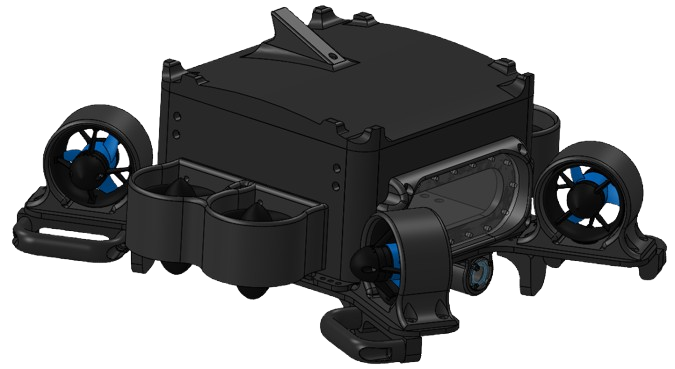
As the Team President on MuddSub (see the Experience section), I designed the PCB system of our new robot, Crush (left). This involved designing the circuit, modeling the PCB, and refining a bill of materials. I also worked with the mechanical subteam to optimize space allocation for our electronics enclosure. I also handle a lot of logistical and administrative things that come up with an awesome club!

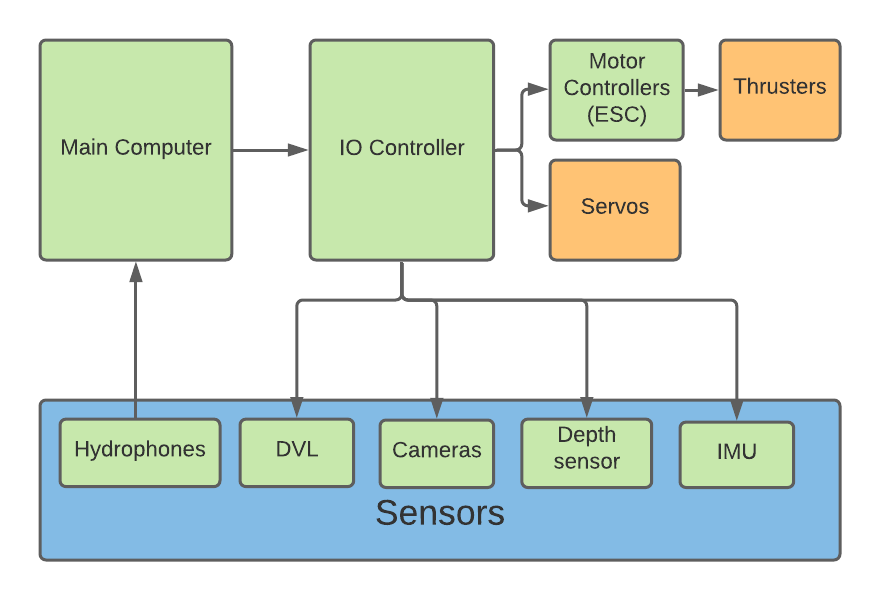
Our Robot Electrical Subteam Schematic

But PCBs are only part of the story. Coming from an electircal background, I worked with the Electrical subteam which also designs, connects, and tests all of our sensors. We work and test various directional hydrophones to detect the robot's location. We also are working with split-aperture correlators to more precisely determine Crush's position. Our main electrical subteam connections are detailed in the schematic above on the right.

Argonne National Lab

// Fancy Technology!

I was a Summer 2026 SULI intern at Argnone National Laboratory under Dr. Michael Pamminger, where I essentially made electronics for self-driving cars. My work included updating a PCB so I can collect vehicular data from multiple CAN-FD buses, as well as integrating a webcam and ethernet port. All of this was done with the help of an STM32 and an ESP32.

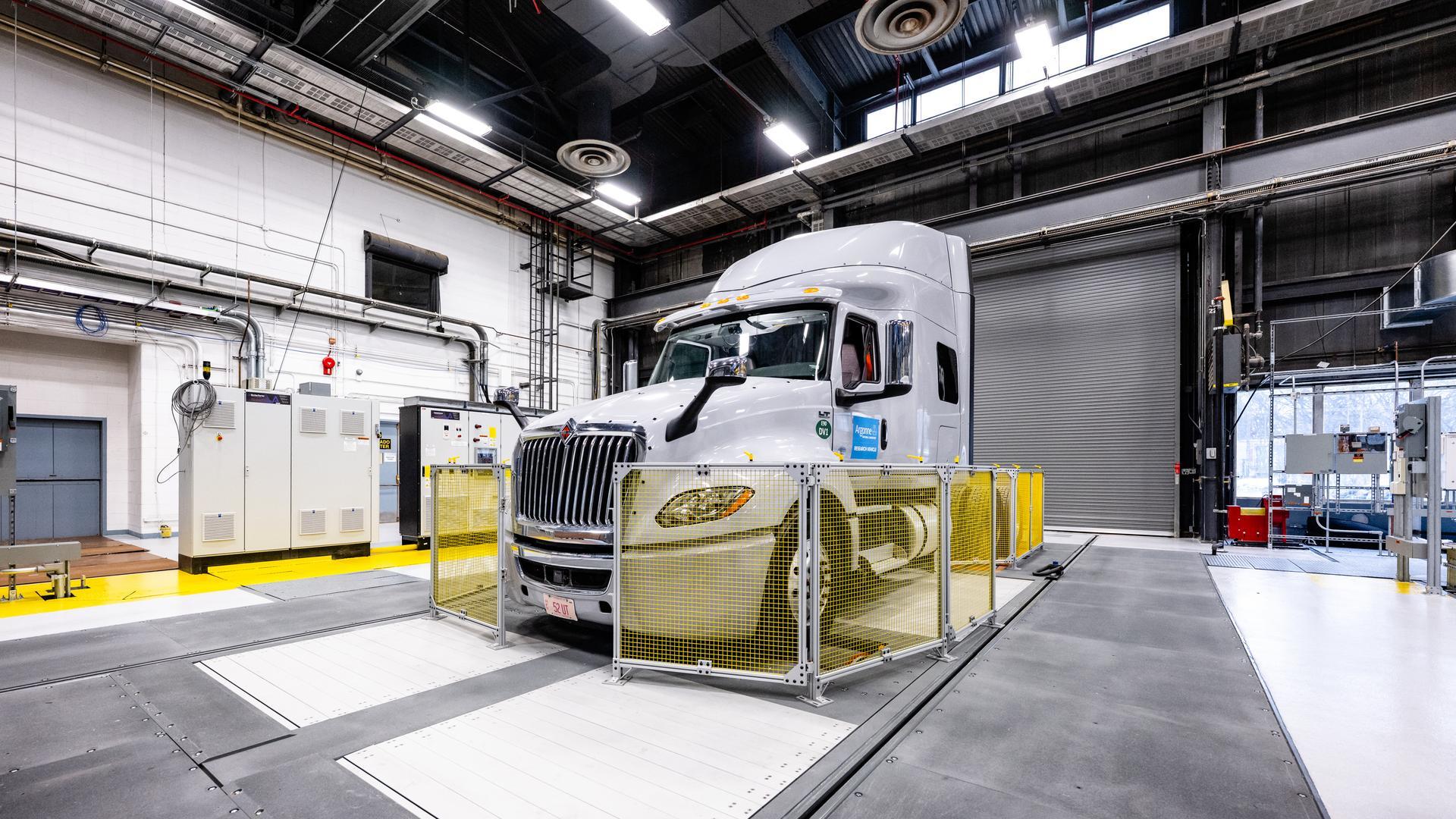
Heavy-Duty Dynamometer

I also worked to test multiple communication protocols, including cellular and 5G, for creating networks connecting autonomous vehicles to non-autonomous vehicles, buildings, and even people! A lot of my work is related and tested using the Advanced Mobility Technology Laboratory, which utilizes a heavy-duty dynamometer (think of it as a treadmill for trucks) as well as multiple cool cars!

MACH

// Big Car!

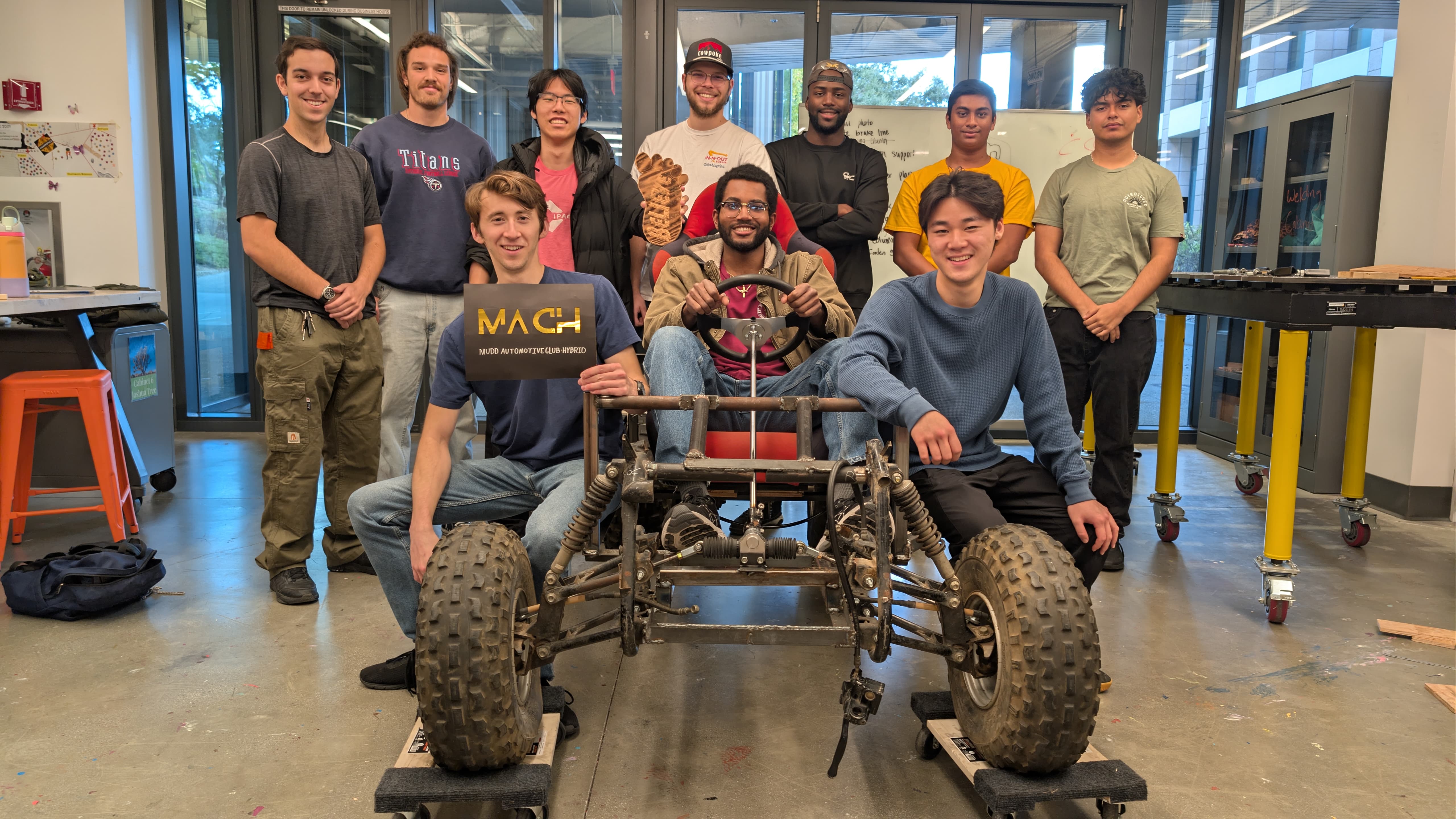
Our club, MACH, invites us to build a giant car! Starting from scratch helped us understand how to build a car: including welding, mechanical modeling, and electrical work. I worked with modeling our hybrid system by attaching the motors and batteries, as well as working with our engine. Overall, it was one of the most rewarding projects I've done, and I get to build a car!

Our club!

PID Controller Box

// Heats up a Hydrogen Sensor well!

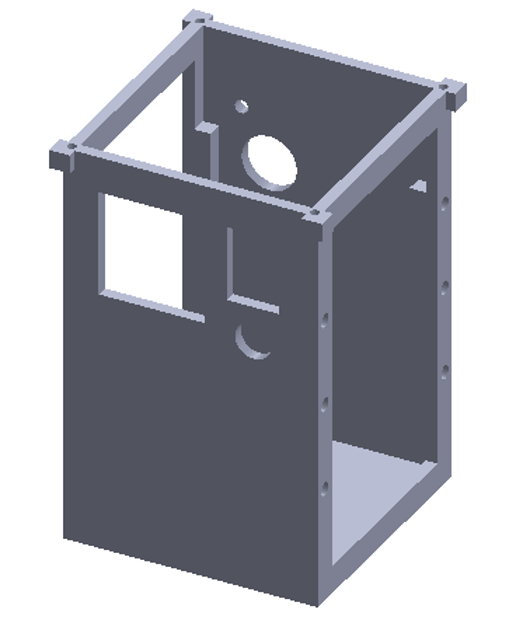
In my Summer 2025 REU at the Colorado School of Mines, I designed and built a PID controller box to heat up a Gallium-oxide hydrogen sensor precisely to a specific temperature. This involved designing a CAD, 3D printing the enclosure, figuring out what went wrong, then re-doing the process all over again! Overall it was a really fun project that taught me resilience and working with new and cool mechanical and electrical components. A photo of the PID controller is below.

PID CAD

Some benefits of the controller include: holes for fans to heat up the setup (if the heat sink fails), open space to wire the controllers, screwable holes to attach a lid, and a modular design that allows for PID controller boxes to be stacked and connected easily. The box has been really useful for improving our research!